
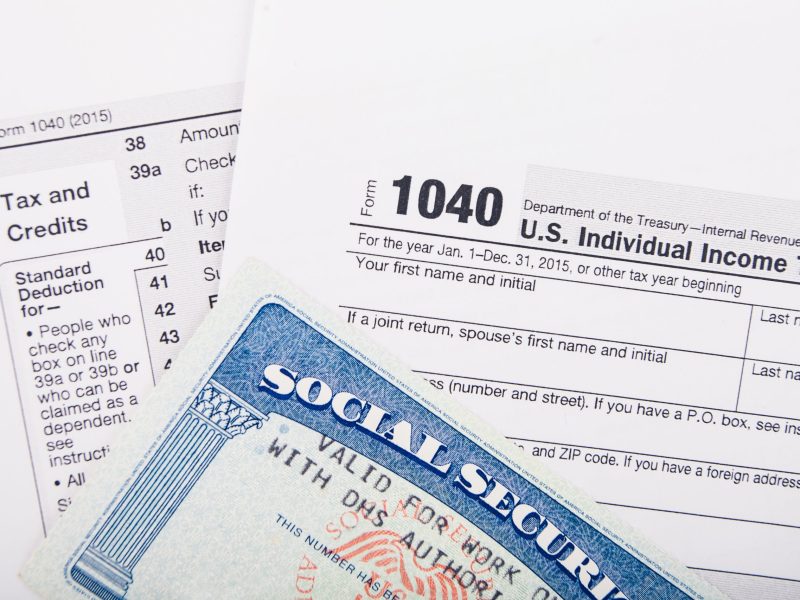

Federal prosecutors have charged multiple individuals in Minnesota for orchestrating Social Security fraud schemes that relied on stolen and deceased identities to unlawfully collect retirement and disability benefits. According to court filings, the defendants submitted fraudulent applications supported by forged medical records, falsified employment histories, and manipulated identity data.
Investigators allege that the fraud spanned several years, with benefits continuing even after legitimate beneficiaries had died or relocated out of state. Payments were funneled into accounts controlled by the suspects, who used the funds for personal expenses rather than medical or retirement needs.
The scheme was identified through data-matching efforts between the Social Security Administration (SSA), state death records, and financial institutions. Analysts flagged inconsistencies involving age discrepancies, repeated bank routing numbers across unrelated beneficiaries, and benefit claims tied to outdated or conflicting identity information.
“This was a calculated abuse of public trust,” said a federal prosecutor involved in the case. “Social Security programs exist to support vulnerable individuals—not to serve as a revenue stream for fraudsters.”
Following the investigation, officials emphasized the need for enhanced identity verification, continuous eligibility monitoring, and analytics capable of detecting anomalies across benefit programs. As identity-based fraud grows more sophisticated, agencies are under increasing pressure to modernize safeguards without delaying legitimate claims.
Today’s Fraud of the Day is based on reporting from the U.S. Department of Justice, the Social Security Administration Office of Inspector General, and Minnesota news outlets covering federal fraud prosecutions.